GENERAL INFORMATION:
Weather
Local News
Library
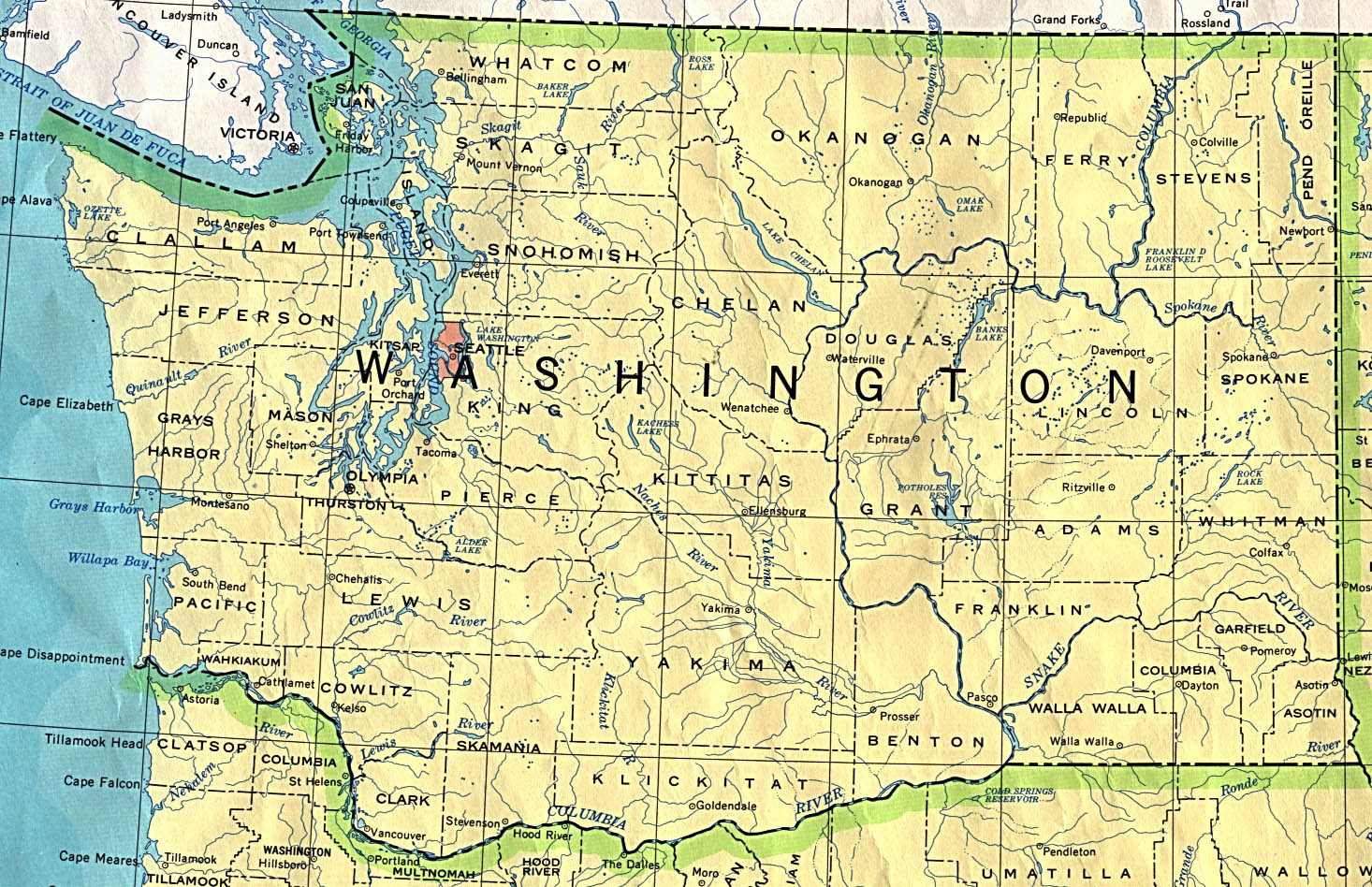
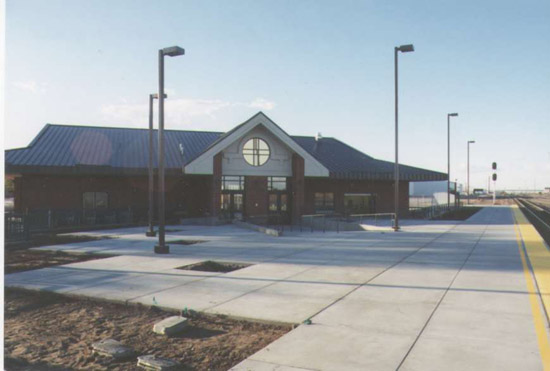
The Lewis and Clark Expedition camped in the Pasco area October 16, 1805 at a site now commemorated by Sacagawea State Park, which was frequented by fur trappers and gold traders. Northern Pacific Railway/BNSF was built near the Columbia River in 1880s, opening trade and bringing many settlers to the area. Pasco named by Virgil Bogue, a construction engineer for the Northern Pacific Railway after Cerro de Pasco, a city in the Peruvian Andes, where he had helped build a railroad. Pasco was a small railroad town, but the completion of the Grand Coulee Dam in 1941 brought irrigation and agriculture to the area making it a larger railway town. Pasco was officially incorporated on September 3, 1891.
The presence of the Hanford Nuclear Site, provided the Tri-Cities/Richland-Kennewick-Pasco area grew rapidly from the 1940-1950s, most of the population influx resided in Richland and Kennewick, as Pasco remained primarily driven by the agricultural industry, and Pasco rail yards.
In the 1990s, developers purchased large farm in Pasco for residential and commercial development, resulted in growth in the city's retail and tourism industries. The new development is referred to as "West Pasco", distinguishing it from the older East Town
FEATURES:
ATTRACTIONS:
Farmer Market
Children Museum
Historical Society
Washington State Railroads Historical Museum
EVENTS:
Fiery Foods Festival
Stone Ridge Event Center
Sacajawea Bluegrass Festival
Hot Air Balloon/Folk Festival
National Night Out
TOURS:
Clore Wine & Collinary Center
Tararis Winery Tours
TRANSPORTATION:
Ben Franklin Transit
Dart
Grape Line
Greyhound
TAXI:
TriCity Cab
EXPLORE AREA: Map
Sacajawea State Park
Columbia River Fishing
Juniper Dunes Trail
McNary National Wildlife Refuge
Pasco Water Trails
HOTEL/MOTEL:
Within walking distance* "Will provide shuttle between station-hotel"
FACILITIES:
Amtrak
Private Railcar & Tour Train Siding
SUPPORT SERVICES:
Amtrak Special Accessibility
Amtrak Disability Reservation
|


![[Email Us]](http://www.atdlines.com/images/mailbutn.gif)
![[Return to Top]](http://www.atdlines.com/images/up.gif)
![Power By ETS]](http://www.atdlines.com/motion/train6.gif)
![Power By ETS]](http://www.atdlines.com/images/power.gif)