PTSD symptoms are categorized into re-experiencing life events, public/family avoidance, negative changes in mood/cognition of self worth, life changes and heightened elderly abuse, that significantly impair the victim's daily life functioning and impairs all relationships, where the victim is charterized as worthless and unwanted human being in the community, including medical life saving treatment is denied. The victim is only offered death. Understanding PTSD as defined in DSM-5 Criteria, Causes, and Treatment. PTSD is diagnosed when symptoms from four disciplines are clearly defined,
In Victim Behavior or Threat Is Identified As:
1). Intrusion,
2). Avoidance,
3). Negative Alterations In Mood/Cognition, and
4). Arousal.
Persist for over one or more month following exposure to actual hatred or threat of death, serious injury, or community violence emient. Patient symptoms pictured below shows significant distress, lose and functional impairment exist.
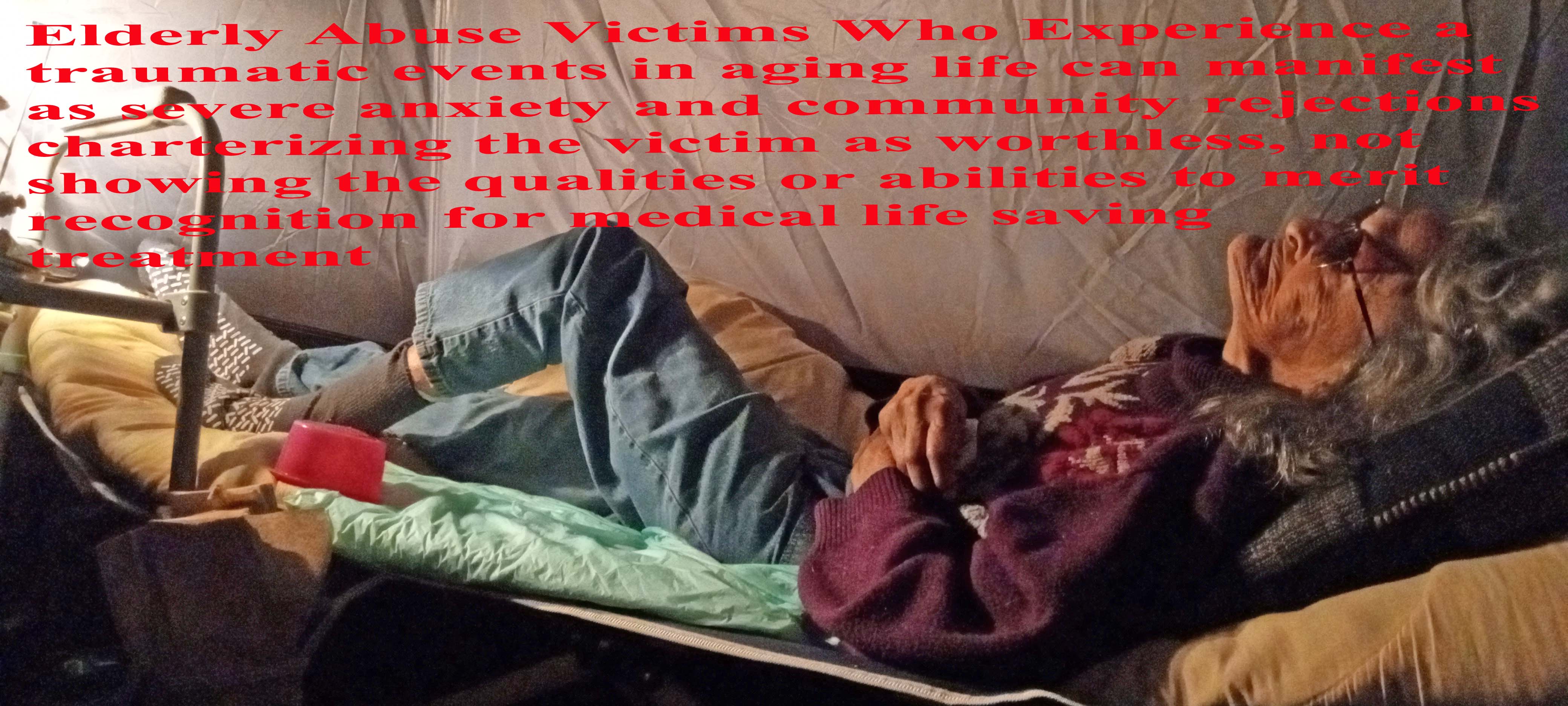
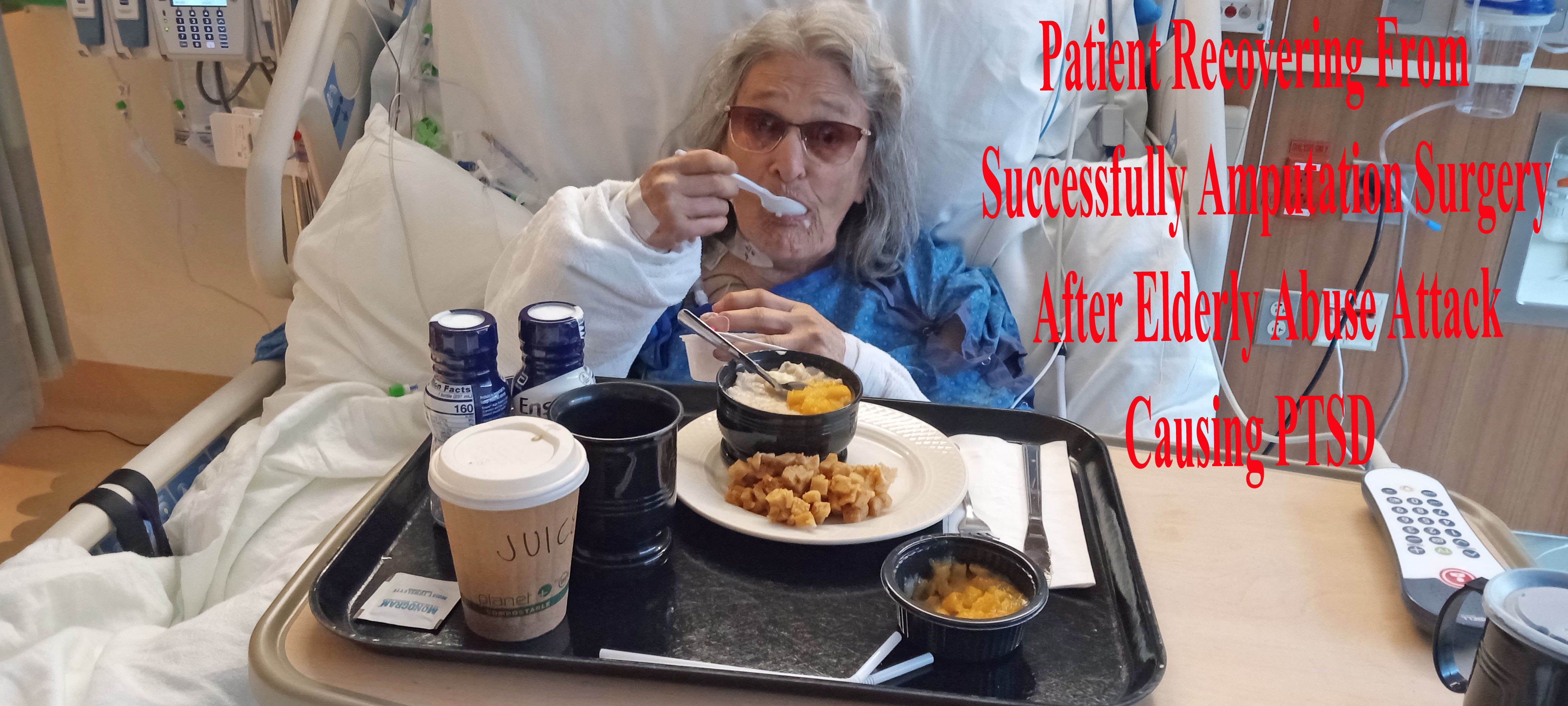
Elder Abuse wheather physical, psychological, sexual abuse, neglect and/or financial exploitation often goes underreported as in patient case pictrured below, where hosiptal personnel failed to recognize patient as a victim of elderly abuse. Elder Abuse can be a single incident, or repeated acts, and lack of appropriate law enforcement action. Elder Abuse occurs within a relationship or business enviroment, where an expectation of trust exists, regrettably the targeted victim is harmed and elderly victim becomes distress. Elderly Abuse can often come from someone who they know well or have relationship with such as a spouse, partner, family member, friend or business or religious factor. It can also be continued service providers, law enforment, government agencies and healthcare or medical provider settings. In medical care elderly abuse occur when medical staff have inadequate training and supervision, or lack sufficient resources to undertake their treatment responsibilities or unable to communicate with hearing impaired. Elderly Abuse can lead to poorer health, injuries and even "premature death".
Penetrating Lung Injury, by a failed feeding tube, inadvertent insertion of a "nasogastric/NG tube" into the lung and orcal cavity is a critical, potentially fatal complication, causing injuries requires immediate and prompt treatment is crucial to avoid severe, potentially fatal outcome. Immediate symptoms often include coughing, cyanosis/cyanosis include irreversible organ damage, heart failure, stroke, brain hypoxia, and severe pulmonary hypertension and/or Pulmonary edema from excessive fluid accumulation in the lungs, leading to severe respiratory distress, potential respiratory failure, and acute cardiac strain. Untreated Pulmonary edema can be fatal,
Common Complications Including:
1). Persistent Breathing Difficulty,
2). Extreme Fatigue,
3). Pleural Effusion/Fluid Around The Lung (s).
Acute pulmonary edema treatment focuses on immediate stabilization, primarily using supplemental oxygen preferred rate 92–96% saturation and intravenous diuretics/furosemide to remove lung fluid. For acute cardiogenic cases, urgent care includes upright positioning, noninvasive ventilation /CPAP/BiPAP for breathing support, and vasodilators to reduce cardiac preload/afterloa, severe respiratory distress, or rapid desaturation, in severe cases, chest tube drainage. "Hospital Medical Personnel" having limited training can causing acute lung injury/ALI and progressing to severe acute respiratory distress syndrome/ARDS are critical, rapid-onset conditions characterized by inflammation, fluid accumulation, and severe hypoxemia/low blood oxygen of noncardiac origin. Untreated lung injuies results in damage to the alveolar-capillary membrane. Symptoms include severe, labored shortness of breath, fast heart rate, chest pain, and bluish skin.
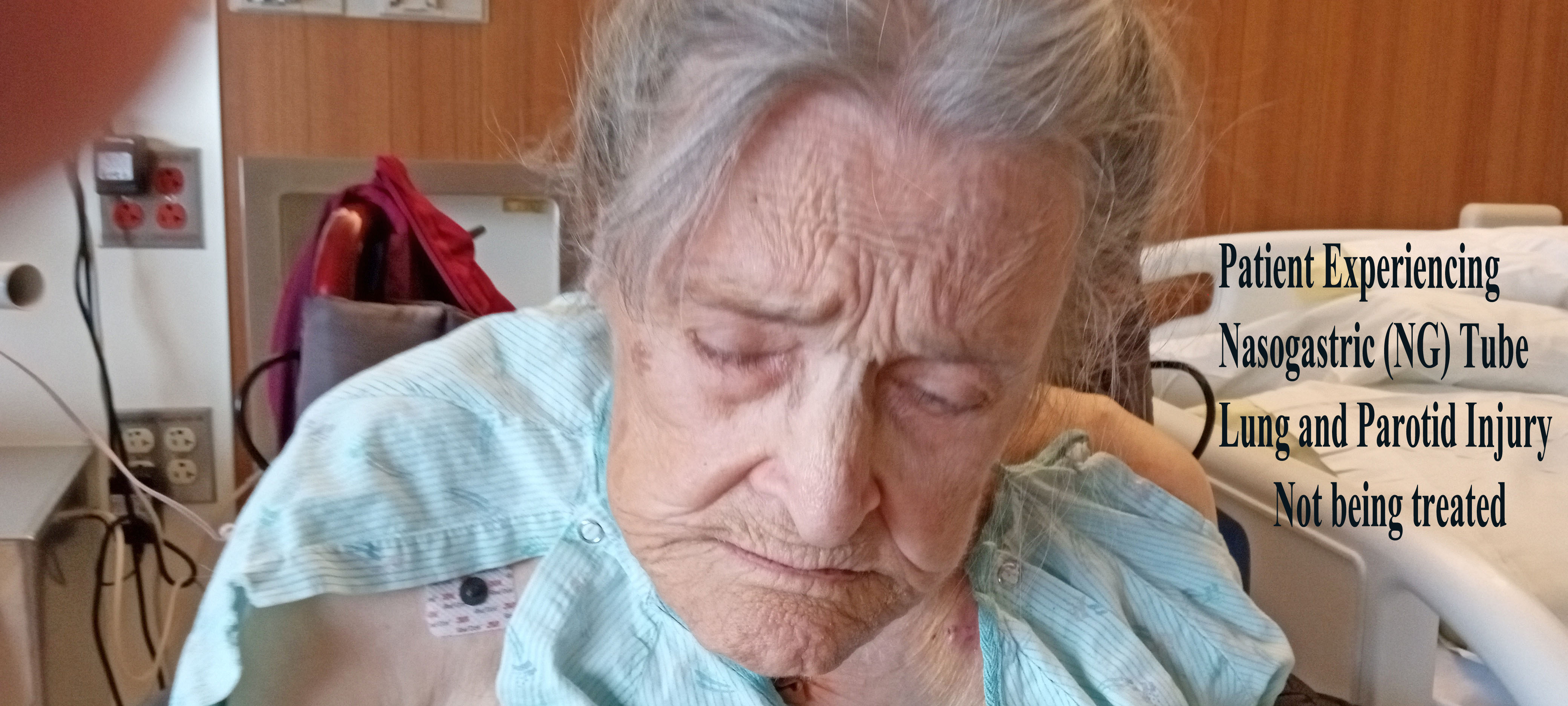
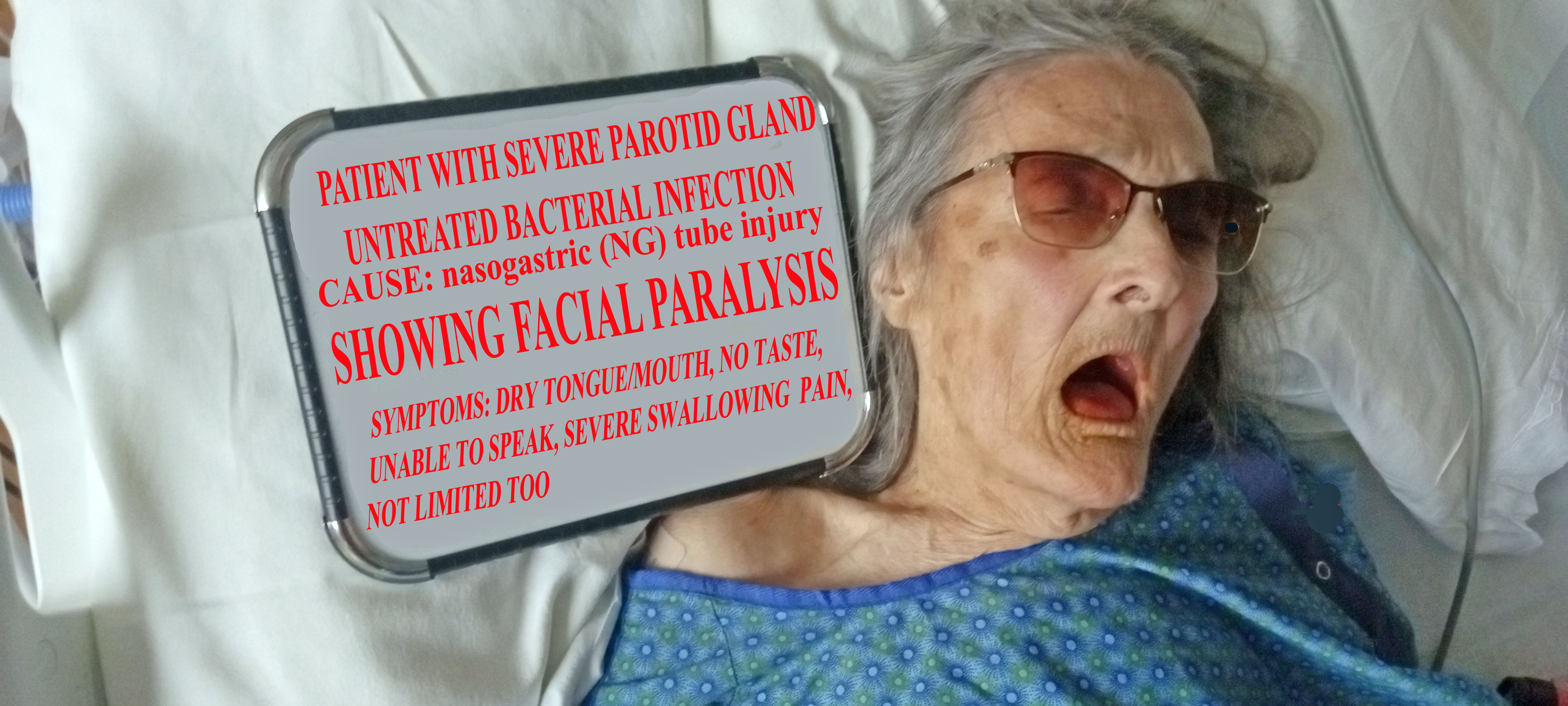
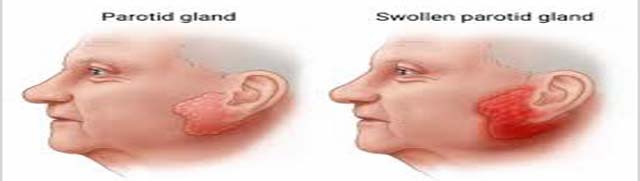
Parotid gland baterical infections (parotitis) causes painful swelling in front of the ears or under the jaw, accompanied by fever or chills, a foul taste in the mouth, and pain while chewing or opening the mouth. The bacterial infection can lead to severe painful headaches, abscess formation, in severe rare cases, facial nerve paralysis. Elderly patient require immediate treatment, as failure to thrive syndrome, phycological depression can complicate patient treatment, leading to miss diagnosis and premature death.
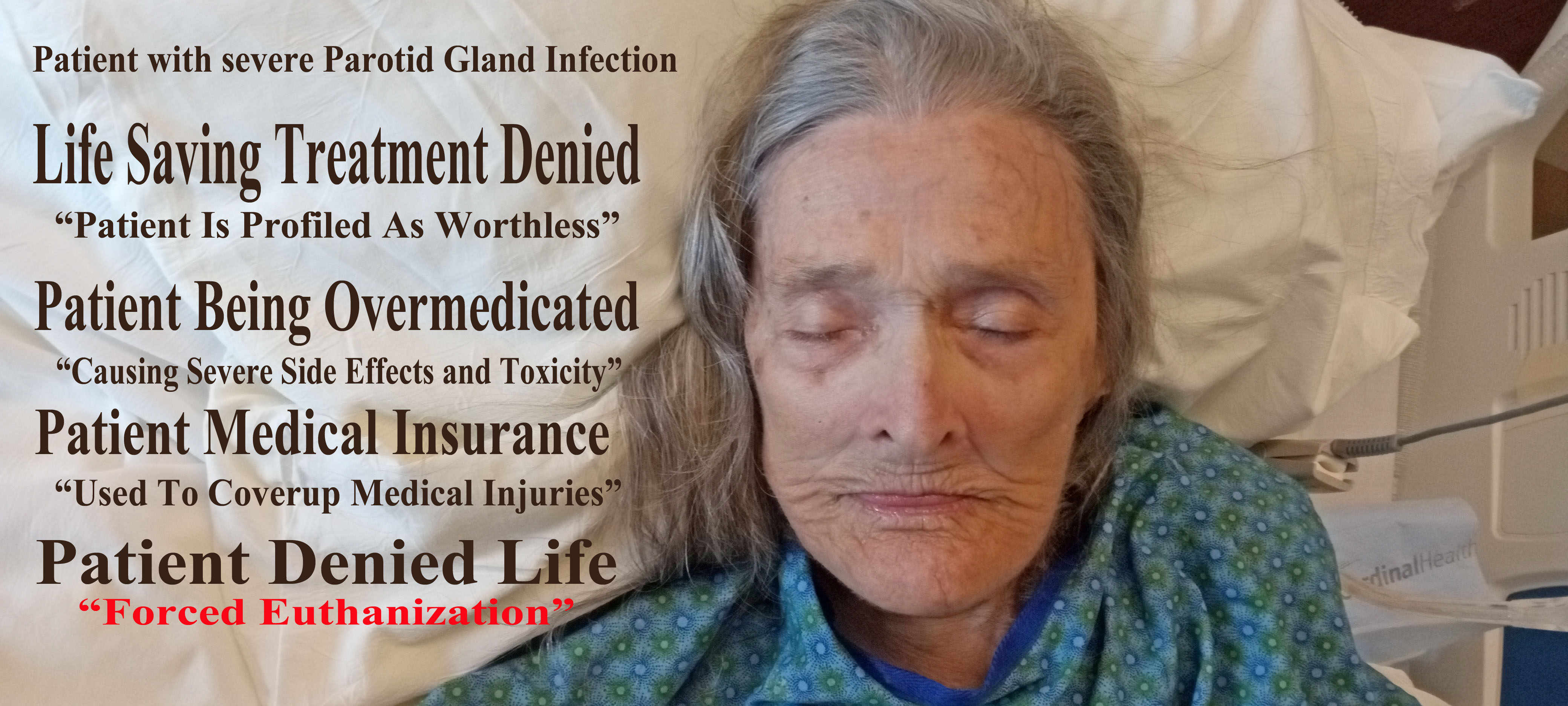
Patient being forced to take unnecessary, incorrect, or too many medications (polypharmology), causing patient to have severe side effects, as in toxicity poses significant risks for adverse drug interaction, where patient becomes uconsciousness, un able to experiencing thoughts, emotions, and sensations, which are dangerous interactions. As in elderly patients experiencing symptoms like confusion, fatigue, and mental depression. Complicating Pariod Gland Infection by creating or leading to a increased xerostomia (dry mouth), especially in older adults, by inducing/causing salivary gland hypofunction/hypofunctional dysphonia causing
patient voice disorder by weak laryngeal muscle tension, resulting in a breathy, weak, low-pitched, and quiet voice, often accompanied by vocal fatigue and limited performance and patient stress. Furthermore implications causing increases risks for severe oral infections, swallowing difficulties, which significantly reducing patient quality of life or leading to death, by miss diagnoiss and failure to treat with life saving medications.
Parotid gland infections (parotitis) can cause neurological effects due to the facial nerve’s close anatomical proximity to the gland, resulting in facial weakness or paralysis.
Potential Neurological Isues Include:
1). Severe Headaches via Trigeminal Nerve Activation,
2). Taste Changes, and
3). Hearing Ssensitivity.
4). Not Limited Too.
Severe cases, particularly those involving viral or autoimmune causes, may lead to more systemic issues like meningitis or encephalitis.
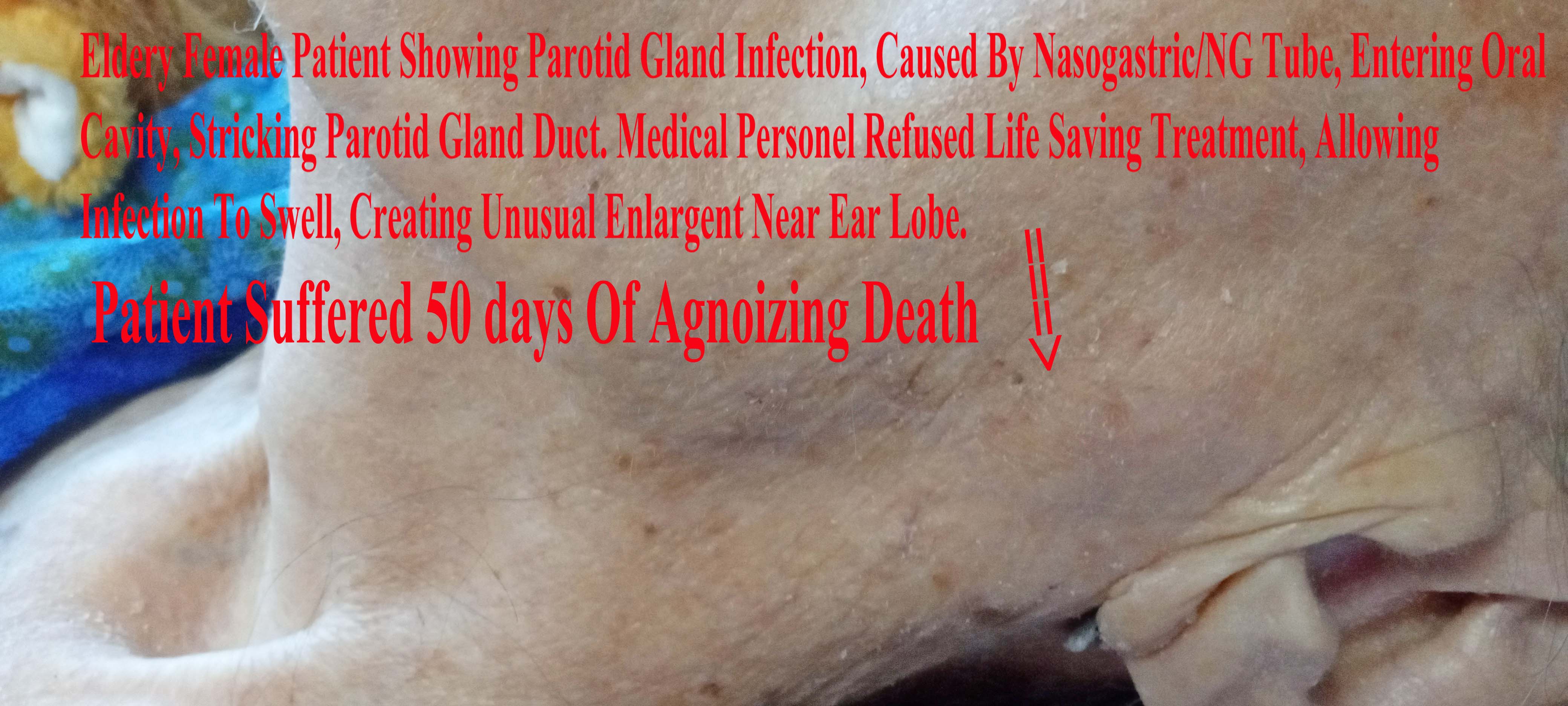
Acute viral and bacterial infections of the parotid gland (s), knn as "sialadenitis", can occur in patient (s), whereas, hospital medical staff insert a used, bloody mucus "Nasogastric/NG Tube", entering the oral cavity, stricthing the parotid duct, with infectious viral and bateria transfer causing patient to experience a decreased salivary flow and altered oral flora.
1). Functional Obstruction: Stagnant, thick, or bacteria-laden saliva can cause functional ductal obstruction, allowing bacteria to reflux into the glands.
2). Stagnation flow within the duct: Whereas, a fluid dynamic flow stream hits a surface "often at a right angle stops" creating a "stagnation point", where local fluid velocity becomes zero flow.
Relatively rare in adults, this condition is a recognized elderly patient risk factor possibity after surgery recovery or neonates and chronically ill patients. However, acute suppurative parotitis/ASP affects surgical patients who have undergone major abdominal operations. Treatment with antibiotics, has decreased incidence of ASP Statistics to 0.01%–0.02% of all hospitaized lpatients and 0.002%–0.04% of post-operative patients. Factors that increase the risk of ASP include post-operative dehydration, debilitating conditions, and immunosuppressed states. Statistical reports demonstrate that elderly patient with paralytic ileus a temporary, functional impairment of bowel motility where muscles in the intestines stop functioning, causing a "pseudo-obstruction/abdominal distension" without a physical blockage developed fatal ASP do to electrolyte imbalance/low potassium, and certain medications, such as opioids/narcotics.
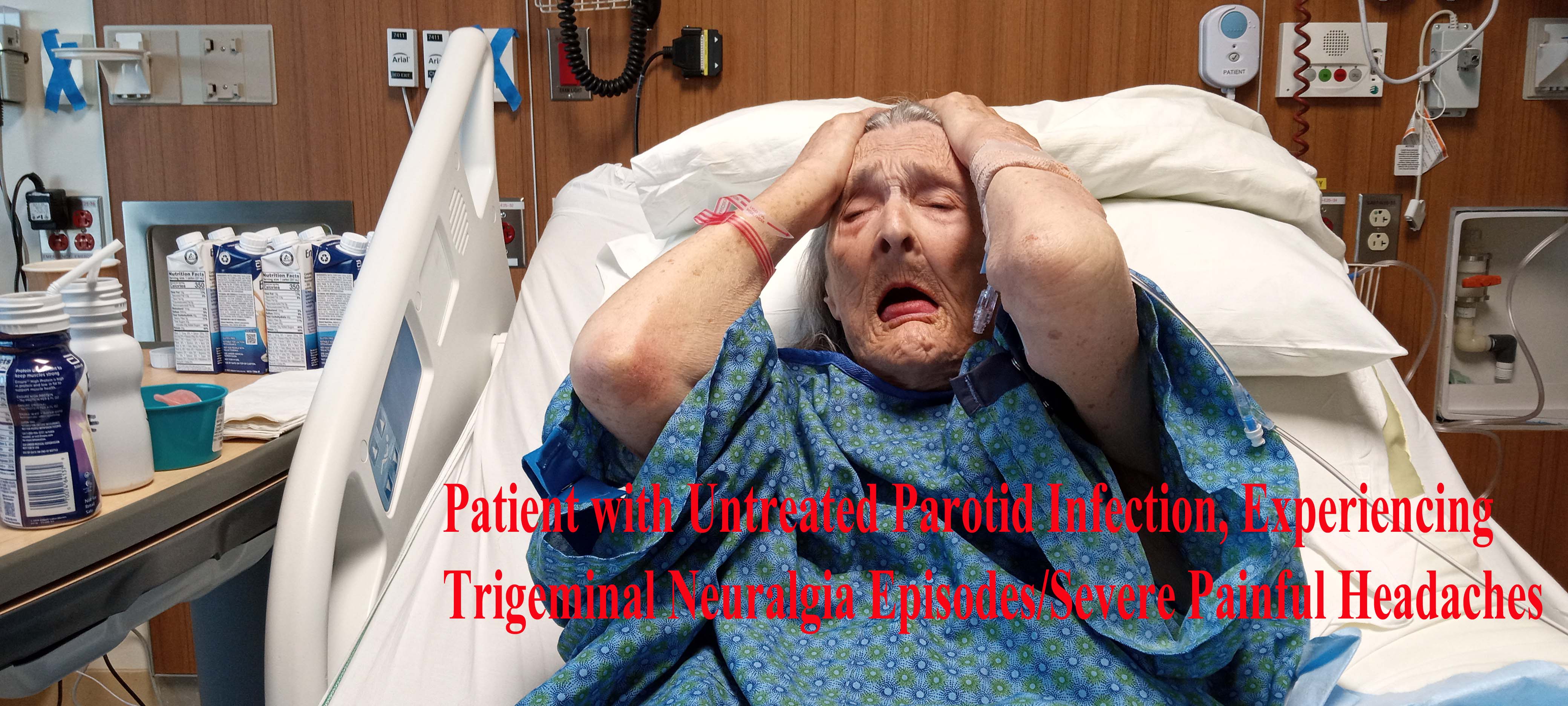
Parotid Gland Infection/parotitis or sialadenitis can cause severe localized patient headace pain, that mimics or exacerbates trigeminal neuralgia/TN as parotid gland is near the auriculotemporal nerve/a branch of the trigeminal nerve. Infections can trigger neuralgia-like symptoms, causing sharp, electrical shock-like sensations, often exacerbated by eating or jaw movement. Trigeminal Neuralgia/TN and parotid gland issues can intersect, often when a parotid swelling infection or tumor causes TN-like facial pain or when chronic trigeminal nerve dysfunction causes salivary gland changes. Parotid gland atrophy causes significant reduction in saliva production/hyposialia, leading to chronic dry mouth/xerostomia, which causes difficulty in:
1). Chewing,
2). Swallowing, and
3). Speaking Difficulties/Dry Vocal Cords.
Often caused by dehydration, parotid or environmental factors, typically manifest as in:
i). Raspy, Weak, or Hoarse Voice,
ii). Accompanied By A Dry Throat,
iii). Tickling Sensation, or
iv)> Persistent Urge To Clear Throat/Cough.
Patient Symptoms Include:
a). Throat Soreness,
b). Vocal Fatigue,
c). Reduced Pitch, or
d). Difficulty Speaking Loudly.
Patient Symptoms Include:
1a). Thick Oral Mucus,
3a). Lip Dryness,
4a). Altered Taste, and
5a). Increased Dental Decay or Oral Infections
While experiencing a parotid infection (parotitis), Patients are generally advised to avoid high-intensity workouts, However, Patient Health and determinations positive recovery, can and should engage
light-intensity, seated or bed exercises therapy for leg strengthening and prosthetic leg excerices are safe and effective to maintain muscle, improve circulation, and prevent blood clots. Following leg amputation above the knee, patient strengthening the remaining muscles is crucial for recovery mobility, while ensuring the body has the energy to heal from active infection.
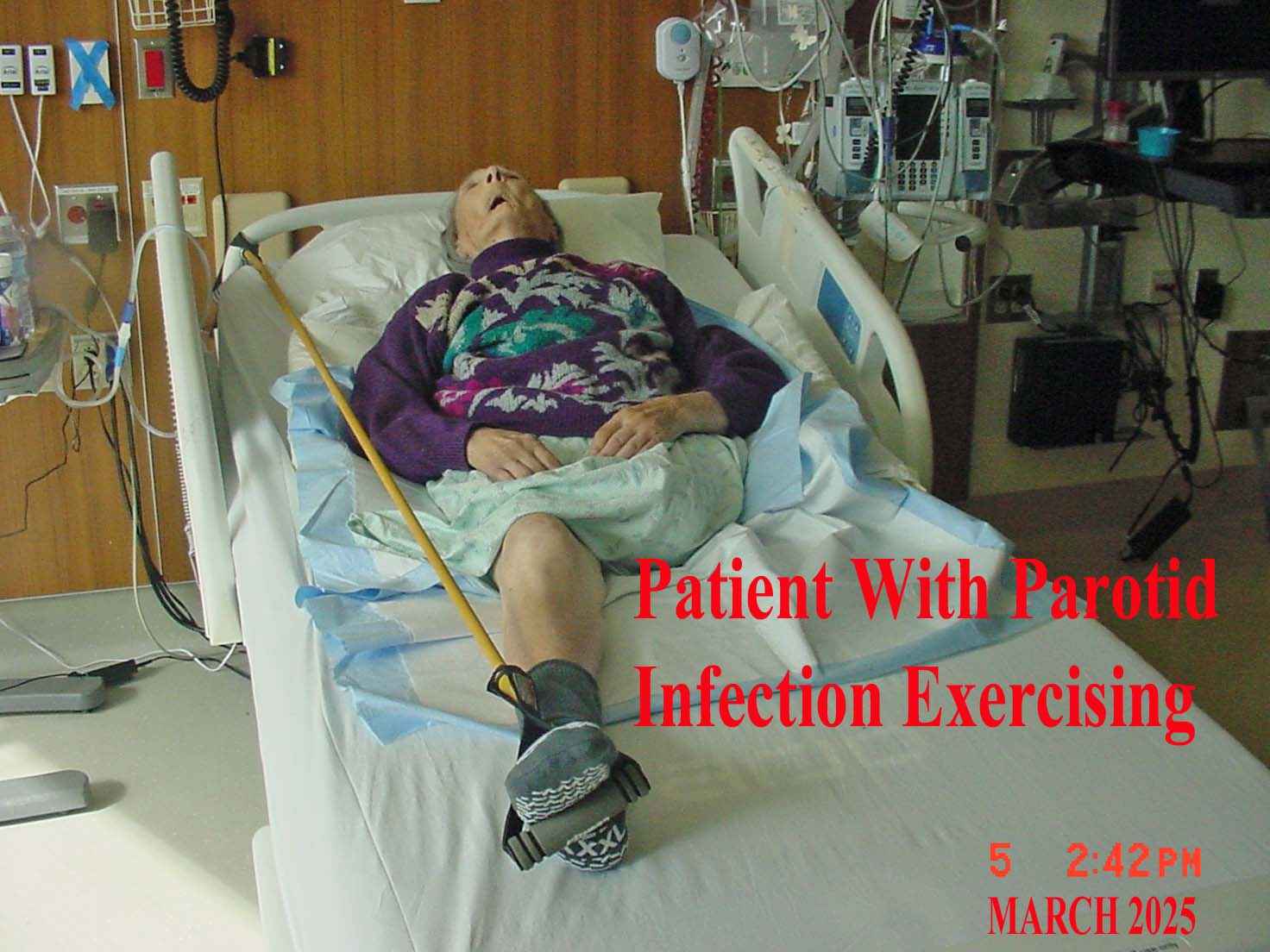
Hospitalized Patient, seeking medical treatment is subjected to discrimatiory profiling, to deny patient Hippocratic Oath to do no harm, is injured in a hospital due to medical personnel negligence—such as causing patient to falls, denying life saving medication and overdosing medicines and causing patient infections, is malpractice. Medical errors are a leading cause of patient injury and death, with studies showing that nearly 1 in 4 hospitalized patients experience harm.
Common causes include:
1). Diagnostic Errors,
2). Medication Mistakes,
3). Hospital-Acquired Infections,
4). Treatment and Surgical Complications, and
5). Patient Falls.
These incidents often stem from:
a). Systemic Issues,
b). Inadequate/Untrained Saffing,
c). Communication Failures, and
d). Technological Breakdowns.
Hospitals, medical institutional facility may be liable for medical malpractice, criminal coverups or premises liability.
Immediate action includes:
i). Reporting Incident To Staff,
ii). Documenting Everything, and
ii). Contacting Patient Advocacy.
To ensure patient safety, medical care and potential legal recourse.
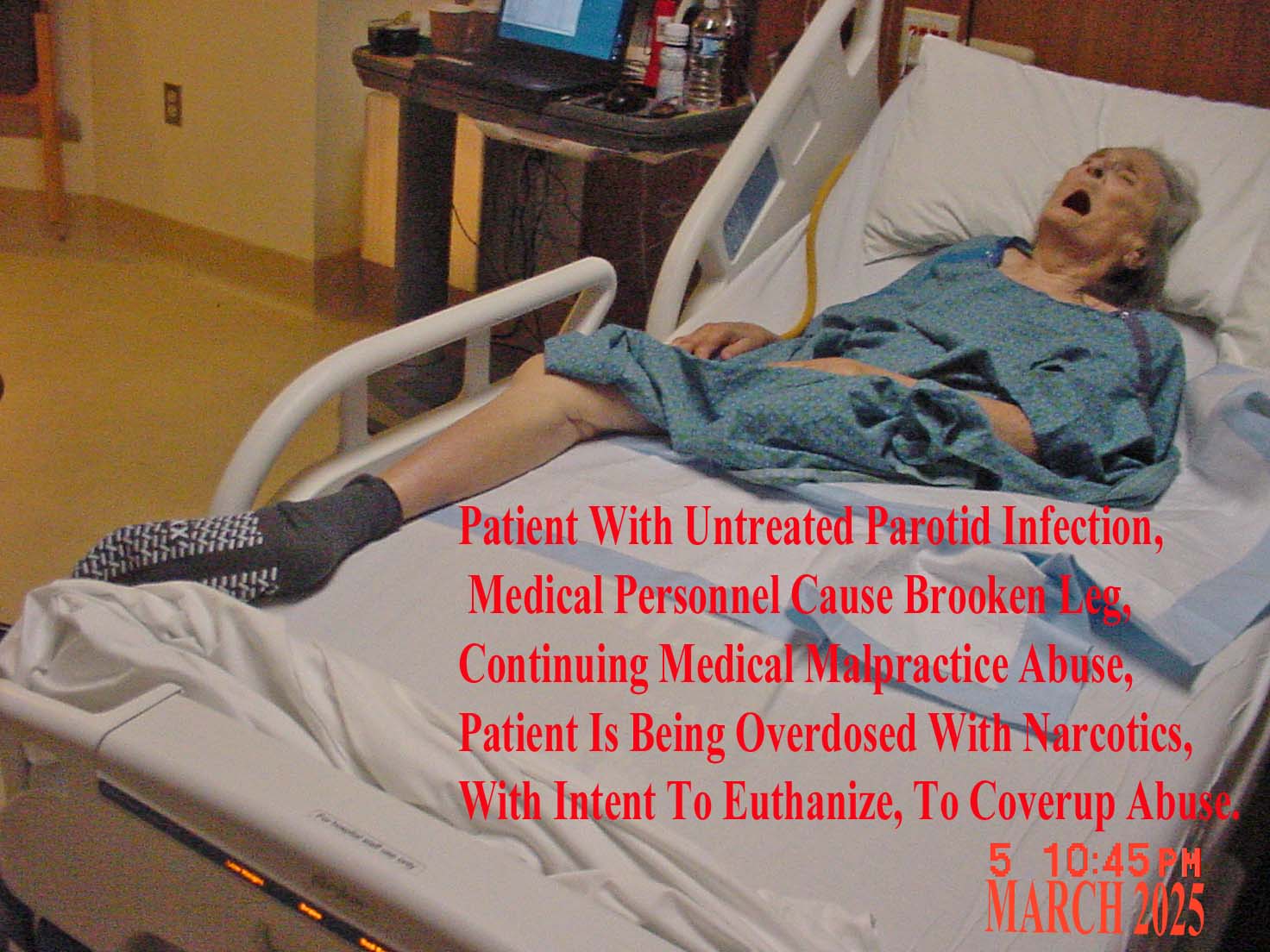
Using health insurance is generally recommended to ensure immediate care and to document injuries, even if the injuries were caused by another party.
It is illegal for any entity, including Mediical Institutions and insurance company, to used to intentionally cause the death of a patient. However,having a medicial instution utitilize a patient medical insurance, to deny treatment and make the patient believe that life saving treatment are being performed, is misleading patient. having medical institution deny medically necessary care, then use health insurance companies to pay treatment that is cause life-threatening consequences and, in some cases, which is linked to patient's death.
Destruction of evidence, provide false documents, statement or spoliation/includes destroying physical objects, deleting digital records, or failing to preserve evidence for litigation. involves the intentional or negligent alteration, concealment, or elimination of evidence relevant to a public or legal proceeding, is adverse inferences. It can result in severe legal consequences, including criminal tampering, adverse inferences in court, public agency true in faith documentation filing being altered and sanctions impose adversely, such as dismissal of the case or false documentation.
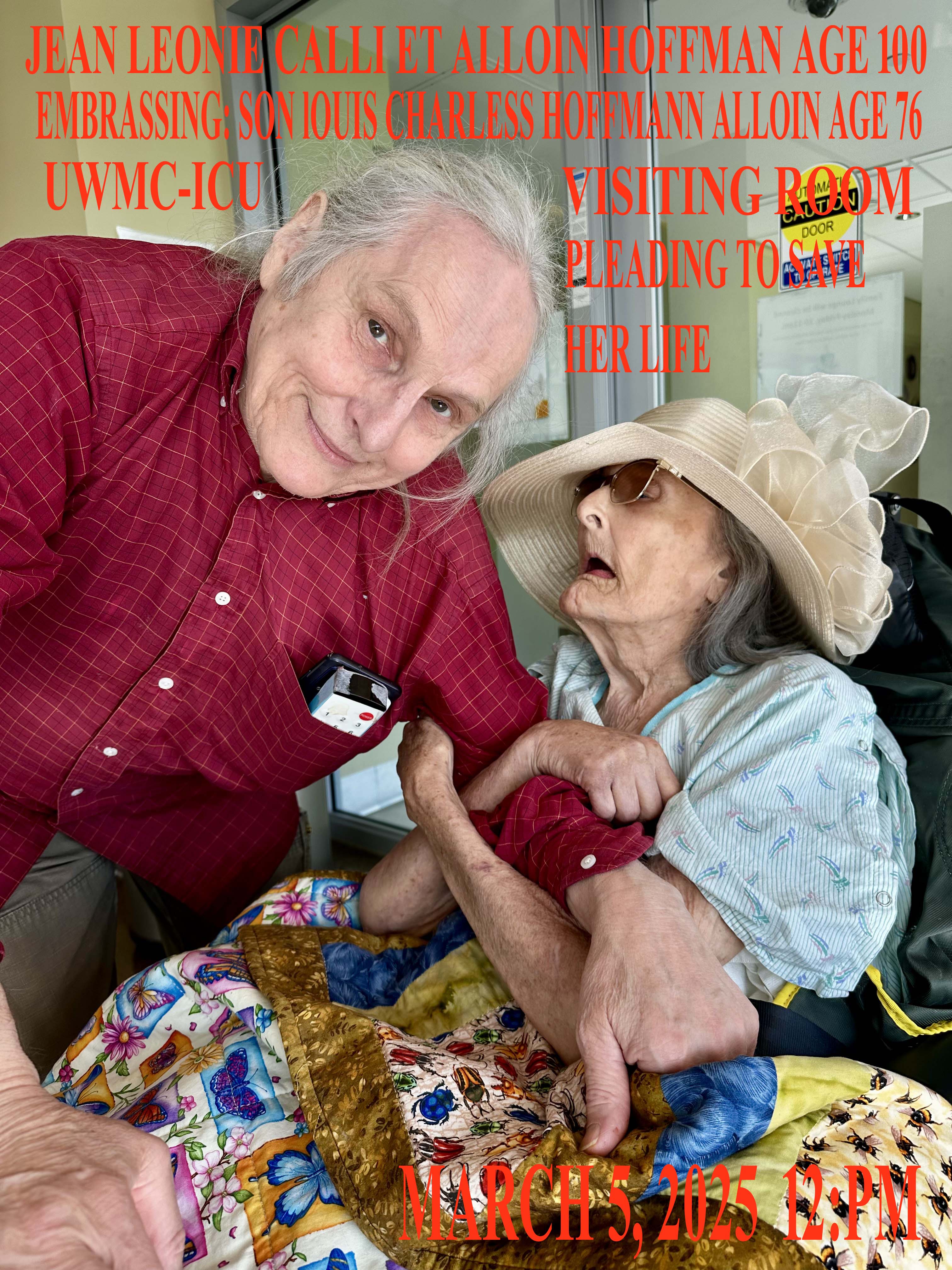
Below a hosipalized patient is pleading for her life to be saved.
First-line in medical treatment for acute bacterial parotitis typically includes pathology lab sample report specifying infectious agent (s) for effective antibiotic treatmen, such as clindamycin,
amoxicillin-clavulanate/Augmentin, or nafcillin/cefazolin, not limited too. Treatment often requires IV antibiotics initially for severe cases, followed by a 10-day oral course.
MRSA Coverage:
If methicillin-resistant S. aureus (MRSA) is suspected, vancomycin or trimethoprim-sulfamethoxazole may be use
If antibiotic treatment for parotitis is ineffective, often indicates an:
1). Abscess,
2). Salivary Stone, or
3). Medication Treatment Resistant.
Requiring further diagnostic pathology lab anylsis, CT/ultra sound imaging, to evaluate for optional treatment planning, as in:
a). Surgical Drainage,
b). Sialoendoscopy.
If no improvement occurs within 48 hours of IV antibiotics, alternative therapies include switching to "broader spectrum of antibiotic treatments", glandular massage, or, in chronic cases,
surgical removal of the parotid gland/parotidectomy.
Failure to treat parotitis/inflammation of the salivary gland injury:
Can Cause Further Severe Complications, as in:
i). LifeThreatening/Death,
ii). Deep Neck Infections,
iii). Airway Obstruction,
Some cases can be resolve by traditional criteria, some require pathology evaluations, in case of untreated acute bacterial parotitis often caused by reused, bloody, mucus/infected "nasogastric/NG tube" injury, do to insertion into oral cavity, can progress rapidly due to infection spreading through surrounding tissue (s).
|
![[Email Us]](http://www.atdlines.com/images/mailbutn.gif)
![[Return to Top]](http://www.atdlines.com/images/up.gif)
![Power By ETS]](http://www.atdlines.com/motion/tower-1.gif)
![Power By ETS]](http://www.atdlines.com/images/power.gif)